Pest Control Services in Sussex County That Focus on Prevention
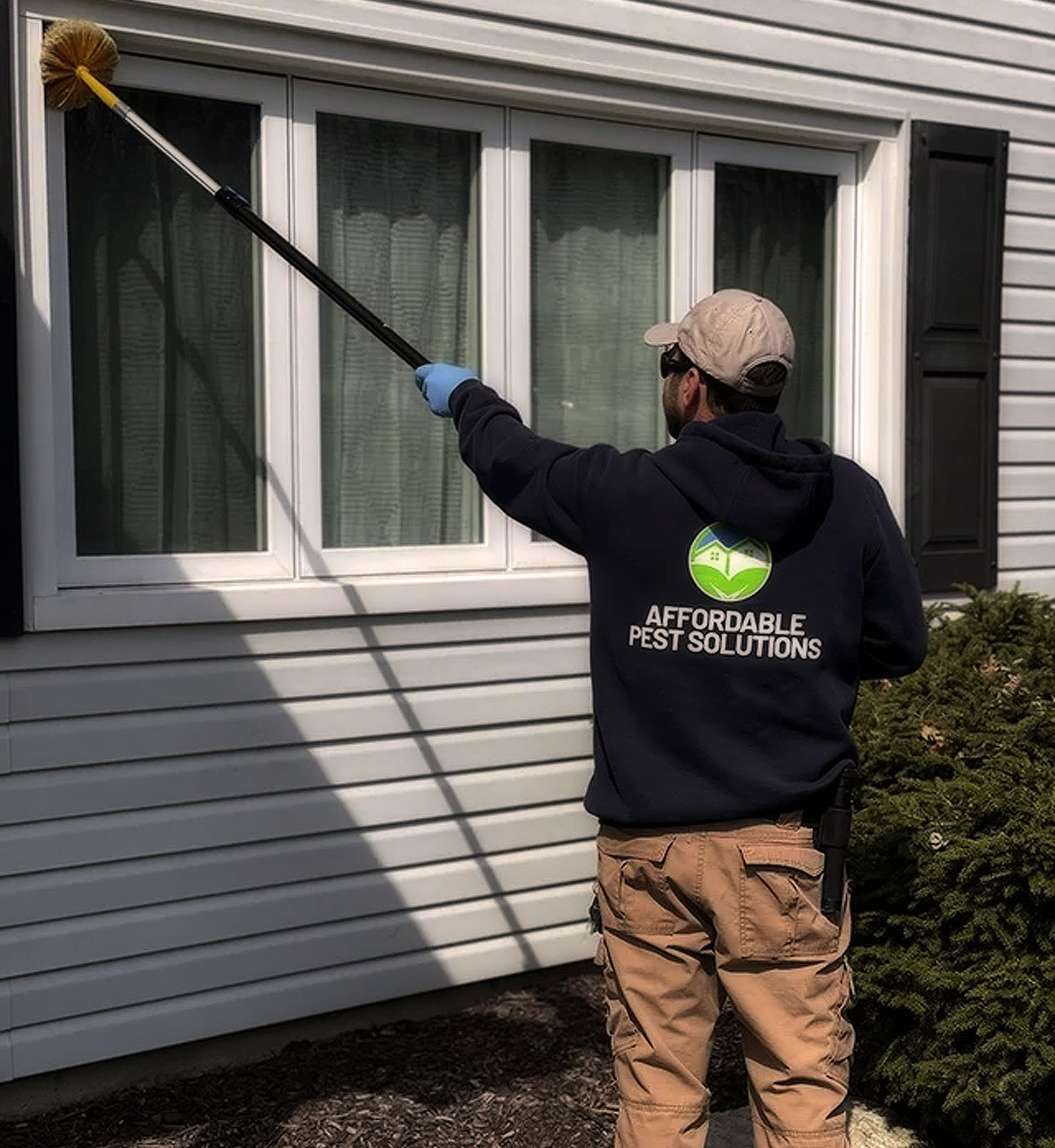


Anyone can spray for a problem that is already out in the open. The harder work, and usually the better work, starts earlier. In Sussex County, where coastal moisture, wooded lots, crawl spaces, older homes, and seasonal occupancy all shape pest pressure, prevention is what separates a short-term fix from a property that stays consistently livable.
That distinction matters more than many homeowners realize. A single pest issue rarely stays single for long. Ants can point to moisture. Rodent activity can expose insulation gaps, chewed wiring, and hidden entry points around utility lines. Termite conditions can begin with drainage or wood-to-soil contact that nobody paid much attention to when the house looked fine from the driveway. Once you have seen enough service calls across changing seasons, a pattern becomes obvious. The worst infestations often start as ordinary maintenance issues.
Pest control in Sussex County is not just about what is crawling, flying, or nesting today. It is about the relationship between the structure, the yard, the weather, and the habits of the people using the space. Good prevention-based service takes all of that into account. It is less theatrical than emergency treatment, but it tends to save money, reduce stress, and limit repeat problems.
Why prevention makes sense in Sussex County
Sussex County has a mix of environmental conditions that can quietly support pests year-round. Some neighborhoods deal with sandy soil and open exposure, others with mature trees, dense shade, and persistent dampness. Inland homes may face different pressures than properties closer to bays, marshes, or beach communities, but the common thread is that pests exploit conditions long before people notice them.
Moisture is often the underlying issue. Crawl spaces with poor ventilation, clogged gutters, low spots near foundations, leaking hose bibs, or overwatered planting beds all create favorable conditions. Carpenter ants, termites, springtails, mosquitoes, roaches, and even rodents benefit from environments that stay damp, sheltered, and undisturbed. In practice, the pest itself is only part of the diagnosis.
Seasonality adds another layer. A homeowner may assume that winter means pests are gone, when in reality many of them have simply moved inward. Mice and rats look for heat, food, and nesting material. Spiders follow the insects they feed on. Roaches move through wall voids and utility penetrations. Then spring arrives and activity changes again. Ants begin foraging, termite swarmers appear, stinging insects start scouting, and mosquito breeding ramps up with standing water and warm temperatures. By summer, preventive opportunities that existed in March may already be lost.
This is why effective Pest Control Services Sussex County residents rely on usually include inspection and exclusion as much as treatment. The professionals who do the best work are not just applying products. They are reading the building and the property.
The difference between reactive pest control and preventive pest control
Reactive pest control starts when the homeowner sees a problem. There are ants on the counter, droppings in the pantry, wasps under the eaves, or scratching in the attic. Service is scheduled, a treatment is performed, and the visible issue may improve quickly. Sometimes that is enough. Often it is not.
Preventive pest control asks a different question: why did the issue develop in the first place, and what conditions would allow it to return? That shift in thinking changes the service plan. Instead of focusing only on the kitchen where ants showed up, the technician may inspect the perimeter, mulch depth, downspouts, door sweeps, and utility entries. Instead of just setting rodent bait, the service may include identifying a gap under the garage trim or a deteriorated vent screen behind shrubs. The visible symptom becomes a clue.
This approach also influences how often a property should be inspected. Prevention is rarely a one-time event. Homes change over the course of a year. Weather changes. Landscaping grows. Tenants or seasonal guests store food differently, leave doors open longer, or shift how trash is handled. Preventive service works best when it is regular enough to catch those changes before pests capitalize on them.
What a prevention-focused inspection actually looks like
A thorough preventive inspection should feel methodical, not rushed. The property is read from the outside in. Foundation lines, siding transitions, attached decks, porches, crawl space vents, attic vents, soffits, roof edges, and garage door seals all deserve attention. The technician should be looking for gaps, rub marks, nesting material, moisture staining, decayed wood, and harborage zones where pests can hide undisturbed.
Inside, the pattern continues. Utility rooms, under-sink cabinets, attic access points, basements, crawl spaces, and areas behind stored items tell a more honest story than polished living spaces. A few pepper-like droppings in a cabinet corner, grease smudges along a baseboard, insect wings near a sill, or tiny mud shelter tubes on a foundation wall can reveal activity before it becomes widespread.
In Sussex County homes, certain trouble spots come up repeatedly. Sliding doors that no longer seal tightly are a common one, especially in properties closer to the coast where hardware and weatherstripping wear down faster. Crawl spaces can be another. Once moisture settles in and insulation sags, the space starts supporting more than one pest at a time. Exterior lighting can also pull in insects at night, which in turn supports spiders and sometimes creates nuisance issues around entry doors.
A good inspection is not just a hunt for evidence. It is an assessment of risk. Two homes can look similar and need very different plans depending on drainage, age, construction type, occupancy pattern, and nearby vegetation.
Exclusion, the least glamorous and most effective part of the job
When homeowners picture pest control, they usually picture treatment products. Yet some of the most valuable work happens with sealant, screening, hardware cloth, door sweeps, vent covers, and plain old repair recommendations.
Exclusion means making it physically harder for pests to enter. That sounds simple, but it is often where lasting control begins. Mice can enter through openings much smaller than people expect. Roaches move along plumbing lines and gaps around cabinets. Wasps exploit wall voids and eave gaps. Even occasional invaders like crickets and millipedes are far less likely to become indoor nuisances if perimeter vulnerabilities are addressed.
One Sussex County property owner I once heard described a recurring mouse problem that seemed to return every fall, no matter how many traps were set. The real issue turned out to be a gap around an exterior line set and a poorly sealed corner of the garage trim where mulch had built up over time. After those points were corrected, trap activity dropped sharply. The treatment mattered, but the exclusion solved the pattern.
Prevention-first companies tend to talk plainly about these repairs. They explain what they can seal directly, what may need a contractor, and what should be prioritized first. That honesty is useful. Not every crack needs immediate attention, but some openings are high-risk and should not wait.
Moisture control is often the hidden backbone of pest prevention
Ask enough experienced technicians what drives repeat pest issues, and moisture will come up again and again. It is not always dramatic. Sometimes it is just a gutter that spills too close to the foundation, or shrubs planted so tightly against the house that air cannot circulate. Sometimes it is a crawl space that never really dries out after heavy rain. Sometimes it is a bathroom exhaust fan venting poorly into an attic.
Pests do not need a swamp. They just need enough dampness to improve survival. Termites are the clearest example, because persistent moisture directly increases risk conditions around wood. Carpenter ants also favor damp or decaying wood, especially where leaks go undetected. Roaches need water more urgently than food. Mosquitoes breed in astonishingly small amounts of standing water, from clogged corrugations on downspout extensions to neglected planters and birdbaths.
The practical value of prevention-focused Pest Control Services Sussex County homeowners choose is that they connect these dots. A technician who only treats visible activity may get temporary control. A technician who notices condensation under ductwork in the crawl space or standing water near the back step is helping prevent the next round as well.
Termites require a prevention mindset, not just an annual glance
Few pest concerns create as much anxiety as termites, and for good reason. By the time the evidence is obvious, damage may already exist. Sussex County has conditions that can support termite pressure, particularly where homes have mulch piled high against siding, wooden Pest Control Services Sussex County elements in direct contact with soil, poor drainage, or neglected crawl spaces.
Preventive termite work is not just about whether a colony is present this week. It includes monitoring conducive conditions and correcting them. Sometimes the recommendation is straightforward, such as lowering grade level near siding, moving stored wood away from the structure, or repairing chronic leaks. In other cases, the right plan may involve a baiting system, a liquid treatment, or periodic targeted inspections based on the construction type and history of the property.
What matters is that the decision is made from inspection affordablepestnj.com Pest Control Services Sussex County findings, not from a one-size-fits-all script. An older home with multiple additions, a crawl space, and mature landscaping has different vulnerabilities than a newer slab home in an open subdivision. Preventive termite service should reflect that.
Rodent prevention depends on habits as much as hardware
Rodents are opportunists. They take advantage of structural openings, but they also respond quickly to available food, clutter, and nesting material. This is where homeowner cooperation matters more than people sometimes like to hear.
A prevention plan for rodents often works best when it combines exclusion with sanitation and storage improvements. Pet food left accessible overnight, bird seed stored in thin bags in the garage, cardboard piles in a utility room, and overflowing recycling bins all make the property easier for mice and rats to exploit. Even fruit that drops and sits beneath trees can increase attraction outdoors.
Here is where a brief checklist helps, because these are the basics that repeatedly make a measurable difference:
- Store dry goods and pet food in sealed containers, not in soft packaging
- Keep garage walls and utility areas clear enough to inspect for droppings or gnawing
- Trim vegetation away from siding and rooflines where possible
- Repair door sweeps, vent screens, and utility penetrations promptly
- Empty trash regularly and keep exterior bins closed
None of these steps are flashy. They are simply effective. When combined with professional inspection and targeted control, they cut down the conditions that allow a small seasonal problem to become a recurring infestation.
Mosquitoes, ticks, and yard pressure around the home
Preventive pest control is not limited to what gets inside. Outdoor biting pests shape how usable a property feels, especially during the warmer months when decks, patios, and yards should be enjoyable.
Mosquito control in Sussex County is heavily influenced by water management, dense vegetation, and shaded resting areas. The challenge is that many breeding sites are easy to overlook. A clogged gutter elbow, an old planter saucer, a tarp that holds rainwater, or a forgotten child’s toy can support mosquito development. Treatment has value, especially in high-pressure months, but prevention begins with inspection and source reduction.
Ticks are a little different. They thrive in transitional zones, where lawn meets woods, where leaf litter collects, and where wildlife traffic is common. Deer movement, brush piles, unmanaged edges, and humid shade all contribute. Families with pets and children usually benefit from a yard-focused plan that includes habitat modification along with seasonal treatment as needed.
This is an area where honest service matters. If a property backs to dense wooded acreage, nobody should promise zero mosquitoes or zero ticks all season. What a good provider can do is reduce pressure substantially, explain realistic expectations, and identify the parts of the landscape that are working against the homeowner.
The role of routine service and why timing matters
Preventive pest control tends to work better on a schedule than on impulse. That is not because every home needs constant treatment. It is because timing allows small issues to be corrected before they expand.
Quarterly service is common for general pest prevention because it aligns reasonably well with seasonal changes in activity. Some properties may need more attention during peak mosquito months or if there is a history of rodent pressure in the fall. Others may do fine with lighter maintenance once structural issues have been corrected.
What matters most is consistency of inspection. A property that is checked routinely is less likely to surprise its owner with a well-established issue. That is especially useful for second homes, vacation rentals, or properties that sit vacant part of the year, which are not uncommon in parts of Sussex County. Vacancy creates blind spots. Small leaks persist longer, food handling varies between occupants, and pest activity can go unnoticed until turnover or reopening.
How to evaluate a pest control company that claims to focus on prevention
Not every provider defines prevention the same way. Some use the word loosely when they really mean recurring treatment. A better test is to listen for specifics. Do they talk about inspection findings, entry points, moisture conditions, sanitation, and repairs, or do they move straight to products and service frequency?
A prevention-oriented company should be able to explain why a problem is happening, what they can do directly, what the homeowner should correct, and how success will be measured over time. They should also be comfortable discussing limits. If a crawl space remains chronically wet, if siding is in direct contact with soil, or if a detached shed is full of rodent harborage, those conditions matter. The right professional does not pretend treatment alone can override them indefinitely.
These questions can help sort out the difference:
- What conditions around my home are most likely attracting or supporting this pest?
- Which entry points or structural issues should be corrected first?
- What results should I realistically expect after the first visit and over the next season?
- How will your service plan change if activity continues?
- What can I do between visits to lower the risk of recurrence?
The answers tell you a great deal. Clear, practical responses usually indicate experience. Vague assurances usually do not.
Why prevention is usually the more economical choice
Homeowners sometimes hesitate at preventive service because the problem does not feel urgent yet. That is understandable. But when you compare the cost of regular inspections, minor exclusion work, and targeted treatment against the cost of repeated infestations, damaged insulation, chewed wires, spoiled food, wood repair, or lost use of living space, prevention often comes out ahead.
The math is not always dramatic on paper in month one. It becomes more obvious over a year or two. A recurring ant issue that results from moisture and landscape contact may keep generating service calls until the conditions are corrected. Rodents can turn a small opening into a repeated seasonal headache. Termite damage, of course, is in a category of its own.
There is also the value of predictability. Preventive service replaces surprise with planning. For many homeowners, especially those managing larger properties, rentals, or seasonal homes, that alone is worth a great deal.
Prevention works best when the homeowner and provider act like partners
The most effective pest control relationships are collaborative. The provider brings technical knowledge, inspection skills, and treatment options. The homeowner brings access, history, and follow-through. When those pieces connect, results improve.
That partnership does not require perfection. It requires communication. If a technician recommends improving drainage near the foundation, replacing a torn crawl space vent, or storing bird seed in a hard container, those recommendations are not side notes. They are often central to long-term success. Likewise, if the homeowner notices a new moisture stain, fresh droppings, a sudden spike in insect activity, or changes after landscaping work, sharing that information early can keep the issue small.
In Sussex County, where homes face a mix of humidity, seasonal shifts, and varied environmental pressures, prevention is not a luxury add-on. It is the foundation of sound pest management. The best Pest Control Services Sussex County property owners can hire understand that their job is not only to eliminate what is present, but also to reduce the reasons pests keep coming back. That is the work that lasts.
Affordable Pest Solutions LLC
Based in Budd Lake, New Jersey 07828
Service area: Sussex County, Morris County, and Warren County, New Jersey
+1 973-229-9547
FAQ About Pest Control Services Sussex County
What is included in a pest control service in NJ?
A visit generally starts with an inspection to identify the pest and assess activity, access points, and contributing conditions. The proposed service may include treatment, monitoring, exclusion recommendations, and follow-up. Ask which pests and areas are covered by the written quote.
How much does a pest controller charge in NJ?
Pricing depends on the pest, property size, severity of activity, and work required. A single treatment and an ongoing plan can have different costs and coverage. Request an inspection-based estimate that explains the included work, follow-up fees, and warranty terms.
How to prepare my home for pest control?
Ask for instructions specific to the planned service. The technician may need access to inspection areas and may ask you to move belongings or protect food and dishes. Mention pets, aquariums, and any household concerns beforehand. Follow the product label and the technician's instructions about leaving and re-entering treated areas.