Pest Control Services Sussex County: Managing Wildlife and Nuisance Pests
Sussex County presents a very specific kind of pest pressure. The mix of wooded lots, older homes, farms, wetlands, shore influence, crawl spaces, attics, barns, restaurants, and seasonal properties creates conditions that attract far more than ants and mice. Homeowners here often deal with squirrels in soffits, raccoons in chimneys, bats in attic voids, groundhogs under sheds, and moisture-loving insects thriving in damp basements. Businesses face a different but equally serious challenge, especially where food storage, waste handling, and foot traffic create constant opportunity for rodents and cockroaches.
That local mix is exactly why Pest Control Services Sussex County cannot be approached as a one-size-fits-all job. The work is not just about applying a product and leaving. It is about reading the building, understanding seasonal behavior, identifying access points, and solving the reason pests chose the site in the first place. The most effective results usually come from a combination of exclusion, habitat correction, monitoring, sanitation, and carefully targeted treatments.
People often call only after the problem becomes obvious. At that point, the issue has usually been developing for weeks or months. A scratching sound at 2 a.m. In the attic may mean a squirrel has already built a nest. A single roach seen in a commercial kitchen may suggest a larger harboring population behind equipment. A trail of carpenter ants along a windowsill can point to hidden moisture damage. What looks minor on the surface often has a structural or environmental cause underneath it.
Why Sussex County properties attract pests
Many pest issues in Sussex County start with geography and building style. Homes near woods or open fields naturally see more wildlife movement. Properties close to standing water, drainage swales, or shaded low spots often struggle with mosquitoes, gnats, and moisture pests. Older houses with settling foundations and additions tend to have gaps around utility lines, roof intersections, and crawl space vents. Even newer homes can develop entry routes where siding meets masonry or where garage door seals wear out.
Seasonality matters just as much. In late summer and early fall, rodents and overwintering insects begin looking for shelter. During winter, animals that have already entered a structure become easier to hear because outdoor food sources are reduced and the house is quiet. Spring brings ant activity, termite swarm concerns, and renewed wildlife nesting. Summer tends to increase pressure from stinging insects, mosquitoes, and pantry pests in kitchens and food service spaces.
A property can also become attractive simply because it offers three things pests need: food, water, and cover. Bird feeders spill seed that draws mice and rats. Leaky hose bibs keep soil damp and invite insects. Dense shrubbery pressed against siding gives pests a protected travel lane. Firewood stacked against the house is a classic example of good intentions creating a bad outcome. It looks tidy, but it also gives shelter to rodents, spiders, and wood-destroying insects.
The difference between nuisance pests and wildlife problems
People tend to use the word pest for everything, but the approach changes dramatically depending on the animal or insect involved. A colony of pavement ants in a patio joint does not demand the same response as a family of raccoons in an attic. Wildlife work is often less about treatment and more about physical correction. That may involve one-way doors, chimney caps, vent screening, soffit repair, deck barriers, or trench screening around a shed. Insect control, by contrast, often depends on species identification, nest location, breeding conditions, and life cycle timing.
This distinction matters because misreading the problem leads to wasted money and recurring issues. I have seen homeowners seal an opening while young raccoons were still inside, turning a nuisance problem into a serious odor and sanitation problem. I have also seen people fog an attic for what they thought were insects, only to discover the real issue was bats entering through a gap no wider than half an inch near the roofline. The skill is not in doing something quickly. It is in doing the correct thing in the correct sequence.
Rodents, the quiet problem that becomes expensive
Rodents are among the most persistent structural pests in Sussex County, particularly mice. They do not need much space to enter. A gap the size of a dime can be enough for a mouse, and once inside, they tend to travel edges, utility lines, and hidden voids where people rarely look. Rats are less common than mice in some residential areas, but where they appear, the stakes rise quickly because of their size, caution, and ability to exploit drainage systems, garages, sheds, and commercial waste areas.
The real cost of rodents is not only contamination. It is also damage. Mice and rats chew packaging, insulation, and wiring. They leave urine trails that can linger in wall voids and attract further activity. In restaurants, offices, and retail spaces, even a small rodent issue can become a reputation problem. In homes, many families first notice the issue when temperatures drop and activity shifts indoors. Scratching in walls, droppings in pantry corners, gnawed pet food bags, and disturbed attic insulation are common early clues.
Effective control rarely comes from traps alone. Traps can reduce an active population, but if openings remain, new rodents replace the ones removed. Good Pest Control Services Sussex County generally begin with inspection, then combine interior control with exterior exclusion. The technician should look at door sweeps, foundation penetrations, crawl space vents, garage thresholds, roof returns, and utility entries. If that inspection is rushed, the Pest Control Services Sussex County service often turns into a repeated cycle rather than a lasting fix.
Wildlife intrusions are rarely random
Wildlife in and around a structure usually follows a pattern. Squirrels exploit weak roof edges, dormer returns, and rotted fascia. Raccoons test soffits, gable vents, and unsecured chimney tops. Groundhogs seek out spaces under porches, sheds, and steps where they can create a stable den. Skunks often settle under decks, especially where lattice creates visual cover without true exclusion. Bats use tiny openings at rooflines and often enter high on the structure where homeowners cannot safely inspect.
The challenge with wildlife is that removal without repair solves very little. If a squirrel is removed but the chewed entry point is not rebuilt with durable materials, another animal will likely return. If bats are excluded but secondary openings are left untreated, the colony may shift to another part of the same house. Good wildlife management depends on understanding animal behavior, local regulations, and the building envelope itself.
One of the most common mistakes property owners make is assuming a noise in the attic must be mice. The time of day often tells a different story. Daytime movement, especially in the early morning or late afternoon, can suggest squirrels. Heavier, slower nighttime movement can point to raccoons. Rapid fluttering or chittering near dusk may suggest bats. Those distinctions matter because the response, timing, and legal handling requirements differ.
Insects that signal deeper conditions
Not all insects are equal in urgency. Some are mostly nuisance pests. Others act like warning lights on a dashboard. Carpenter ants, for example, do not eat wood the way termites do, but they tunnel through damp or compromised wood to build nests. When they show up indoors in significant numbers, the right question is not just how to eliminate them. It is where the moisture problem started. Roof leaks, failing window trim, wet porch framing, and poorly flashed chimneys are common root causes.
Cockroaches tell a different story. In commercial kitchens, break rooms, apartment buildings, and older multifamily housing, cockroach activity often reflects access to food residues, grease accumulation, cluttered harborage, and heat-producing equipment. They are survivors, and they spread easily through shared walls and service corridors. A quick spray around baseboards is not a serious strategy. Lasting control usually requires a combination of baiting, crack-and-crevice work, monitoring, and sanitation correction.
Stinging insects become especially active in the warmer months. Yellowjackets may nest in wall voids, under siding edges, or in the ground near entryways. Wasps attach combs to eaves, shutters, and playsets. Bees require more caution because species identification matters, and some situations call for relocation rather than destruction. The right response depends on nest location, species, human traffic, and whether children, pets, or allergy concerns are involved.
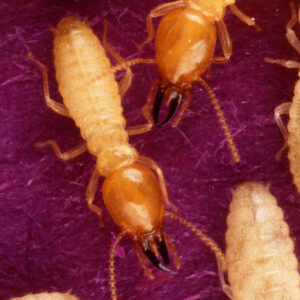
Termites deserve careful mention because panic often leads to poor decisions. A spring swarm does not automatically mean catastrophic structural damage, but it does demand inspection. Sometimes the insects people think are termites are actually flying ants. The difference is important, and guessing helps no one. A trained eye looks at body shape, wing size, discarded wings, mud tubes, wood condition, and moisture patterns before deciding how serious the problem is.
The role of moisture, sanitation, and structural gaps
Three conditions drive a large percentage of recurring pest activity: moisture, food residue, and entry points. If those remain unchanged, treatment has to work much harder and usually for a shorter time. Crawl spaces with persistent humidity often support spiders, camel crickets, and occasional rodent activity. Condensation lines that drip near foundations can create ant pressure. Gutters that overflow against siding can contribute to wood rot, which in turn invites carpenter ants and opportunistic insects.
Sanitation is sometimes misunderstood. It does not mean a home or business is dirty in some dramatic sense. It means that enough accessible food or clutter exists to support survival. A spotless-looking kitchen can still support German cockroaches if grease builds behind equipment and cardboard storage creates harborage. A neat garage can still support mice if birdseed and pet food are stored in soft bags. Pest control works best when the service provider is candid about these details instead of pretending product alone can overcome them.
Exclusion is one of the least Pest Control Services Sussex County glamorous but most valuable parts of the job. Sealing gaps around pipe penetrations, repairing vent screens, adding chimney caps, replacing worn sweeps, and correcting loose siding often prevent far more trouble than repeated treatment visits. It is also the work many companies underemphasize because it takes time and building knowledge. Yet on many Sussex County properties, especially older ones, this is where the real long-term value lies.
What a thorough inspection should uncover
A proper inspection does more than confirm the obvious pest. It should reveal why the site is vulnerable and how active the issue really is. That requires attention to details inside and out, often in places owners rarely see. Good inspectors read stains, rub marks, droppings, gnawing, nesting material, grease trails, insect cast skins, and moisture patterns the way a mechanic reads wear on a machine.
A strong inspection usually identifies the following:
- active pest evidence versus old evidence
- likely entry points and travel routes
- conducive conditions such as moisture, clutter, or vegetation contact
- risk areas that are not yet infested but are likely to become trouble spots
- the difference between what needs immediate action and what can be scheduled
That last point matters. Not every finding is an emergency, and a trustworthy provider should be clear about that. A single paper wasp nest starting under an eave is not the same as active rodents in a childcare facility or bats above an occupied bedroom ceiling. Prioritization shows judgment.
Residential pest control is about livability and prevention
For homeowners, the real goal is not simply killing pests. It is restoring normal use of the home. People want to sleep without scratching noises overhead, store food without worry, let children play in the yard without discovering yellowjacket ground nests, and open a shed without seeing chew damage or droppings. That practical side of the work often gets lost in generic service descriptions.
Homes with crawl spaces, attic storage, detached garages, chicken coops, or wood piles usually need more customized strategies than homes on smaller lots with tighter building envelopes. Vacation homes and seasonal properties present their own challenge because a problem can develop unnoticed for weeks. In those cases, routine exterior checks and preventative measures are often worth far more than emergency service after a major intrusion.
The best residential plans are realistic. They account for pets, children, garden areas, well water concerns, and the homeowner’s tolerance for risk and maintenance. Some families are comfortable with seasonal perimeter service and occasional interior spot treatment. Others prefer heavy emphasis on exclusion and monitoring, using chemical measures only when necessary. There is no single best model, only the best fit for the property and the people living in it.
Commercial sites demand speed, documentation, and discipline
Commercial pest control in Sussex County is less forgiving than residential work because delay affects operations, employees, customers, inspections, and brand reputation. A warehouse with rodent activity needs different attention than a café, grocery store, school, or medical office. The pest may be similar, but the consequences and compliance standards are not.
Restaurants and food handling operations require rigorous follow-through. Floor drains, dumpster pads, wall-floor junctions, equipment legs, storage practices, and delivery door habits all matter. So does staff training. One propped-open back door on a humid summer evening can undo a lot of careful prevention. Office settings tend to see ants, occasional mice, pantry pests in break rooms, and stinging insects around entrances. Multifamily housing often requires cooperation across units and honest communication about access, housekeeping, and recurring pressure points.
Good commercial Pest Control Services Sussex County should include clear reporting, trend tracking, and recommendations that managers can act on. It is not enough to note what was found. The useful part is explaining what changed, where risk is building, and what needs to happen before the next service window.
When do-it-yourself methods make things worse
Some small pest issues can be addressed by a careful owner, but many get worse when the first response is guesswork. Sealing a rodent hole before confirming whether animals are trapped inside is a common mistake. Spraying visible ants without locating the nest can scatter the colony and create satellite activity. Using over-the-counter foggers for roaches often pushes insects deeper into walls and equipment voids. Trying to remove wildlife without understanding behavior can lead to bites, contamination, or damage to the structure.
The issue is not that every store-bought product is useless. It is that most pest problems are more about placement, timing, and species knowledge than product strength. Two homes can both have ant issues, yet one needs moisture correction and exterior treatment while the other needs baiting near a kitchen wall void. The label cannot make that judgment. Experience does.
Practical steps property owners can take between service visits
Even the best pest service works better when owners reduce the conditions that support infestation. Most improvements are simple, but they need consistency.
- keep vegetation trimmed back from siding and roof edges
- store pet food, birdseed, and dry goods in sealed containers
- fix leaks promptly and address standing water near the foundation
- replace worn door sweeps and torn vent screens
- avoid storing cardboard and clutter in damp basements or crawl spaces
These are not glamorous recommendations, but they prevent a surprising amount of trouble. In many cases, the difference between an occasional pest sighting and a recurring problem is just a few maintenance habits done consistently.
Choosing a pest control provider with good judgment
Not every pest company approaches wildlife and nuisance pests with the same depth. Some are excellent at routine insect work but less capable when a job involves exclusion carpentry, attic assessment, or species-specific wildlife behavior. Others are quick to sell a broad service package before they have identified the exact problem. The right provider asks good questions, inspects thoroughly, explains what they found in plain language, and separates urgent work from optional prevention.
Experience shows up in details. A seasoned technician notices rub marks on a fence line, chew patterns on a soffit corner, mud staining under a downspout, or faint grease along a garage wall. They know when a trap-heavy plan is justified and when the real answer is sealing, drainage correction, or sanitation changes. They also know when not to overpromise. Some environments will always have seasonal insect pressure. The goal there is management, not fantasy.
That honesty matters. Property owners usually do not expect perfection in a rural or semi-rural county. They do expect competence, responsiveness, and a plan that makes sense. If a provider explains the trade-offs clearly, most clients will make good decisions. Trouble starts when the work is oversimplified.
The value of solving the source, not the symptom
The most effective pest management in Sussex County is rarely the most dramatic. It is often a careful inspection, a few well-placed controls, a repaired gap at the roofline, a better dumpster routine, a dry crawl space, and a realistic maintenance schedule. That kind of work does not always make for exciting advertising, but it is what keeps problems from returning.
Wildlife and nuisance pests are part of life in a county with this much environmental variety. The goal is not to pretend otherwise. It is to manage the interaction between buildings, people, and the surrounding habitat intelligently. Whether the issue is mice in a pantry, bats in an attic, yellowjackets by a walkway, or squirrels tearing into fascia, the same principle applies: identify the species, understand why it is there, remove or control it safely, and correct the condition that allowed it in.
That is the standard property owners should expect from Pest Control Services Sussex County. Not a quick pass with a spray can, not a vague reassurance, but a methodical response grounded in inspection, repair, prevention, and practical experience.
Affordable Pest Solutions LLC
Based in Budd Lake, New Jersey 07828
Service area: Sussex County, Morris County, and Warren County, New Jersey
+1 973-229-9547
FAQ About Pest Control Services Sussex County
What is included in a pest control service in NJ?
A visit generally starts with an inspection to identify the pest and assess activity, access points, and contributing conditions. The proposed service may include treatment, monitoring, exclusion recommendations, and follow-up. Ask which pests and areas are covered by the written quote.
How much does a pest controller charge in NJ?
Pricing depends on the pest, property size, severity of activity, and work required. A single treatment and an ongoing plan can have different costs and coverage. Request an inspection-based estimate that explains the included work, follow-up fees, and warranty terms.
How to prepare my home for pest control?
Ask for instructions specific to the planned service. The technician may need access to inspection areas and may ask you to move belongings or protect food and dishes. Mention pets, aquariums, and any household concerns beforehand. Follow the product label and the technician's instructions about leaving and re-entering treated areas.